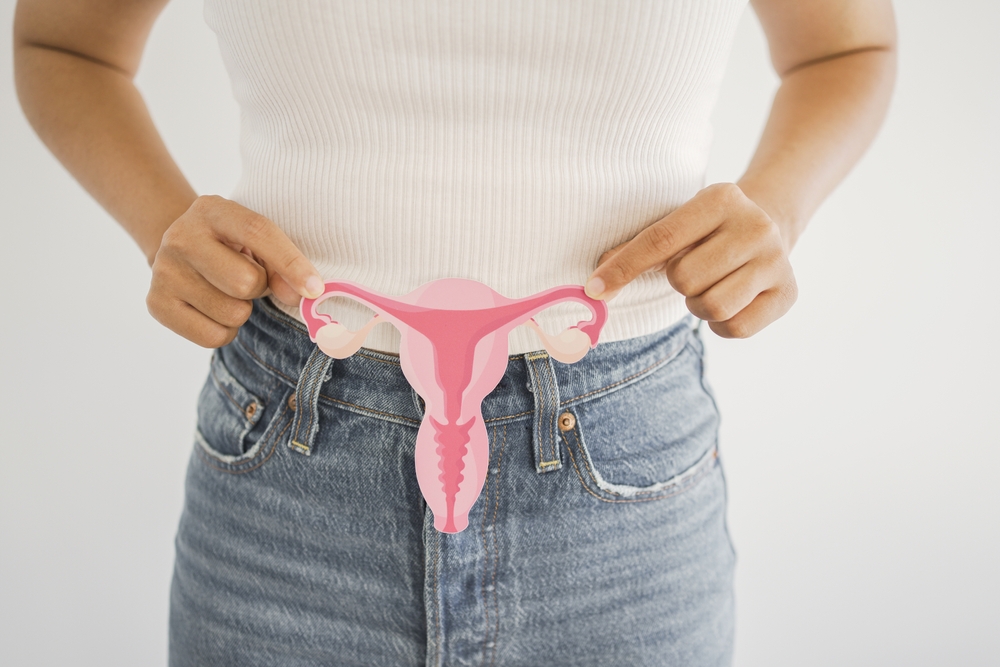
Despite affecting millions of women worldwide, PCOS remains one of the most underdiagnosed reproductive health conditions. Many women live with symptoms for years before receiving a proper diagnosis—if they ever receive one at all.
One major reason is lack of awareness. Early signs such as irregular periods, acne, weight changes, or excessive hair growth are often dismissed as normal or cosmetic issues. Young women are frequently told they will “grow out of it,” while their condition silently progresses.
Another problem is inconsistent diagnostic criteria. PCOS does not present the same way in every woman. Some have cystic ovaries; others do not. Some struggle with weight; others don’t. This variability leads to misdiagnosis or outright dismissal, especially when symptoms don’t fit a textbook pattern.
Healthcare systems also tend to focus on fertility alone. If a woman is not trying to conceive, her symptoms may be minimized or ignored. This narrow approach delays intervention and increases the risk of long-term complications such as diabetes and cardiovascular disease.
What needs to change is simple but urgent:
Earlier Education for Young Women and Adolescents
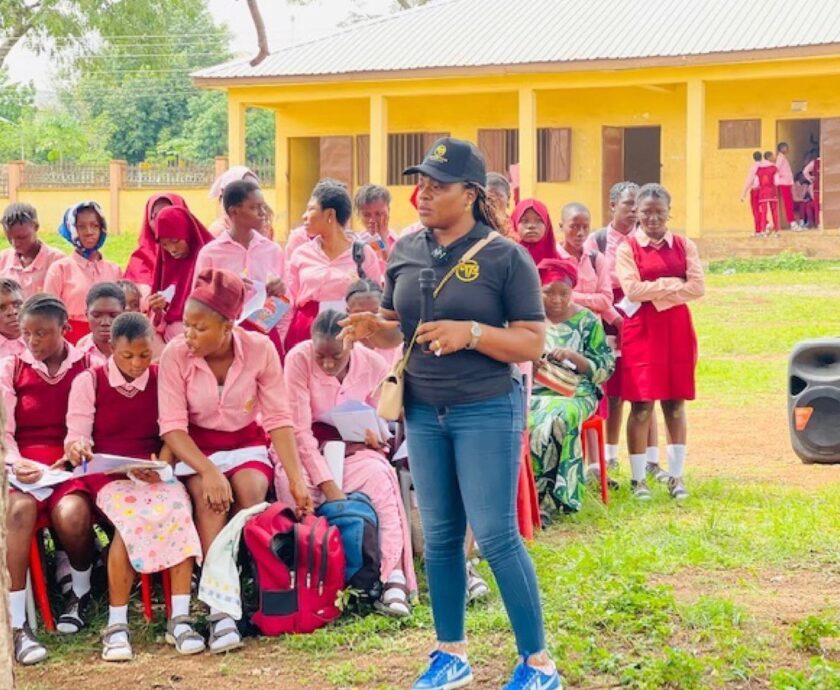
Providing accurate, age-appropriate information about menstrual health and PCOS symptoms at an early stage helps young women recognize warning signs sooner. Early education reduces misinformation, encourages timely medical consultation, and prevents years of confusion, stigma, and delayed diagnosis.
Better Training for Healthcare Providers
Healthcare professionals must be equipped to recognize the diverse and non-linear presentation of PCOS. Improved training ensures symptoms are taken seriously, diagnostic delays are reduced, and women receive comprehensive, evidence-based care rather than symptom dismissal or one-size-fits-all treatment.
A Broader Understanding of PCOS Beyond Fertility
PCOS is not solely a fertility issue. Expanding understanding to include its metabolic, psychological, and long-term health implications allows for holistic care that supports women at every stage of life, not only when they are trying to conceive.
Open Conversations That Normalize Reproductive Health Concerns
Creating safe spaces for open dialogue breaks the silence surrounding PCOS and female reproductive health. Normalizing these conversations reduces stigma, empowers women to speak up, and fosters a culture where seeking help is viewed as responsible—not shameful.
Early diagnosis is not optional, it is essential for prevention, management, and quality of life.
Pharetra pharetra massa massa ultricies mi. Nascetur ridiculus mus mauris vitae ultricies leo. Scelerisque in dictum non consectetur a erat nam at lectus. Lacus luctus accumsan tortor posuere ac ut consequat.
Nec ultrices dui sapien eget mi. Ac odio tempor orci dapibus ultrices in. In massa tempor nec feugiat velit. Et pharetra pharetra massa massa ultricies mi quis hendrerit.









Pharetra pharetra massa massa ultricies mi. Nascetur ridiculus mus mauris vitae ultricies leo. Scelerisque in dictum non consectetur a erat nam at lectus. Lacus luctus accumsan tortor posuere ac ut consequat.
Nec ultrices dui sapien eget mi. Ac odio tempor orci dapibus ultrices in. In massa tempor nec feugiat velit. Et pharetra pharetra massa massa ultricies mi quis hendrerit.